by
Maria Del Campo
on
Wed
10 Jun 2026
Choosing a wedding venue in Italy is often one of the first major decisions a couple makes when planning a destination wedding. Yet the right location is rarely found by looking only at photographs, rankings, or lists of the most beautiful villas, masserias, castles, or wine estates.
At Ca’ di Campo, venue sourcing begins differently. It begins with emotion, lifestyle, hospitality, and the way a couple wants to experience Italy with the people they love.
Choosing a venue is not about finding the most beautiful place. It is about finding the place where a particular couple can fully become themselves.
This is something I have come to understand through years of design, hospitality, travel, and life in Italy. Since moving here in 2022, I have spent countless days exploring the country, visiting wineries, historic properties, private estates, artisan workshops, villas, masserias, castles, borgos, and hidden locations that stayed with me long after I left.
Some were recommended. Others I found through curiosity. Many appeared unexpectedly while exploring a village, driving through the countryside, or following a conversation that led somewhere new.
Today, my Google Maps contains hundreds of saved properties across Italy. Yet only a small percentage ever become "the locations" I would recommend for a destination wedding, intimate event, retreat, or milestone celebration.
When people begin searching for a wedding venue in Italy, they often start with images. A villa overlooking Lake Como. A masseria in Puglia. A castle in Tuscany. A wine estate in Piemonte. A private residence on Lake Garda or Lake Maggiore. The images matter, of course. Beauty is part of the emotion. But photographs can only tell one part of the story.
They do not tell you how a place feels when you arrive. They do not tell you who is behind the property. They do not tell you how the team communicates, how flexible they are, how the food tastes, how the light moves through the spaces, how the property sounds at night, or what limitations may quietly shape the entire celebration.
That is why I rarely propose a venue I have not seen, felt, or studied with care.
When I visit a property, I am not looking at it only through the eyes of a planner. I am reading it through the lens of hospitality, design, atmosphere, and emotional fit. I want to understand the energy of the place. I want to know whether it feels generous, rigid, intimate, grand, soulful, distant, warm, polished, personal, or alive.
Is it owner operated, family run, or managed by a larger hospitality group? Is the person guiding me through the property simply showing me rooms, or are they telling me the story of the place? Do they speak with pride? Do they understand what it means to host people during one of the most meaningful moments of their lives? Are they clear, responsive, honest, and collaborative?
Those answers matter. In Italy, a place is never only a place. It is also the people who protect it, manage it, cook in it, open its doors, pour its wine, care for its gardens, and welcome guests into its rhythm.
Sometimes it is the owner who walks me through the property. Sometimes it is a manager. Sometimes it is someone who only accompanies me from the parking area to the entrance but I get a special story within those minutes that changes my whole experience. Even those small interactions reveal something. You can feel when people care deeply about a place. You can feel when hospitality is part of the culture rather than simply part of the business.
That feeling carries through an event.

Before Ca’ di Campo, much of my was already about understanding how people feel inside a space. Through hospitality, interiors, residential projects, immersive artist collaborations, culinary experiences, and design work across Mexico, the Caribbean, the United States, and Europe, I learned that no location can ever be approached in the same way.
A space in Curaçao asks for something different than one in Madrid. A room in Florida carries a different rhythm than a property in Barbados or Mexico. The light changes. The culture changes. The people arriving change. The way they move, rest, eat, connect, celebrate, and inhabit a place changes with it.
Over more than fifteen years in design and hospitality, I learned to listen beyond the obvious. Not only to what a client says they like, but to how they speak, what they return to, what makes them light up, what kind of pace feels natural to them, and what kind of environment allows them to feel at ease.
Today, that same sensitivity guides my venue sourcing in Italy.
The match does not begin with the property. It begins with the person.
When I work with a couple, family, or host planning a destination wedding in Italy, a retreat, or a private celebration, the first questions are not only practical. They are emotional. How do you want to feel? How do you want your guests to feel? What kind of rhythm feels natural to you? What do you want people to remember once they return home?
Through initial questionnaires, conversations, video calls, and deeper reflections once the process begins, I try to understand how people live. How they travel. How they eat. How they spend time together. Whether they are drawn to long dinners, late music, wellness, wine, flowers, art, architecture, nature, privacy, movement, or stillness.
A couple who wants to dance until sunrise needs a different place than a couple who dreams of quiet elegance, slow mornings, and exceptional wine. A retreat centered around flowers asks for a different environment than one rooted in wellness. A family celebration with several generations requires a different kind of property than an intimate wedding weekend for a small circle of friends.
A venue should not only accommodate the event. It should support the way people want to live the experience.
That is why the right place is not always the most famous one, the most photographed one, or the one that appears most often on wedding blogs. Some properties are extraordinary but emotionally distant. Others may seem quieter at first, yet reveal a depth that stays with you once you are there.
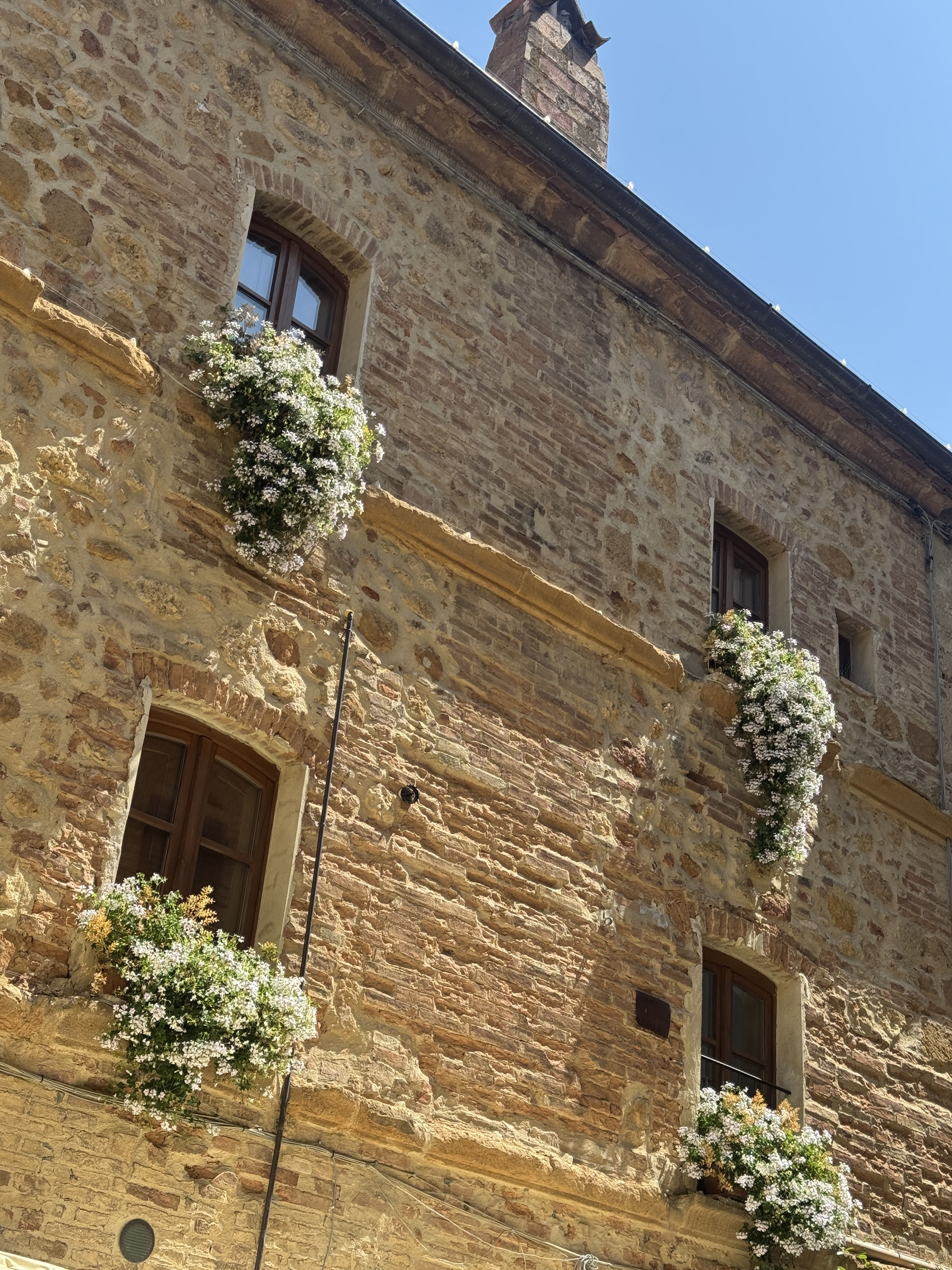
My venue database includes hundreds of properties across Italy, along with notes that rarely appear in brochures or on websites. Beyond architecture and aesthetics, I document the details that shape an experience. Who owns the property. How communication feels. Whether the team is flexible and collaborative. The quality of the food. The atmosphere. The rhythm of the service. The experiences available nearby. The limitations that may affect a celebration.
The database continues to evolve with every visit. From wedding venues on Lake Como, Lake Garda, and Lake Maggiore to wine estates in Monferrato and Langhe, villas in Tuscany and Umbria, masserias in Puglia, seaside properties in Liguria and Campania, and historic residences across Veneto, Friuli Venezia Giulia, Trentino Alto Adige, Emilia Romagna, Sicily, and beyond, each place adds another layer to how I understand Italy as a country where meaningful celebrations can take shape.
Some properties become trusted recommendations. Others teach me what does not align with the experience I want my clients to live.
Whether I am sourcing a destination wedding venue in Italy, a private villa for a milestone celebration, a wine estate for a retreat, or a location for an editorial experience, the process remains the same. The objective is never simply to find a beautiful place. It is to find the place that feels aligned with the people who will experience it.
Music restrictions. Room count. Accessibility. Exclusivity. Weather plans. Transportation. Power limitations. Vendor flexibility. Service structure. Timing. Curfews. After party possibilities. These are often among the first questions I ask because they shape what is truly possible.
A couple who dreams of a party until sunrise should never discover at midnight that music must end at eleven. A host planning a retreat should know whether the property can support wellness, meals, quiet moments, movement, privacy, and shared experiences without feeling forced. A milestone celebration should not be placed somewhere that looks perfect but cannot support the rhythm of the people invited.
The most successful celebrations happen when emotion and reality are aligned from the beginning. Yet some of the most important things I discover are impossible to place on a spreadsheet.
A handwritten note waiting in a room. The scent of lavender when you walk through the door. A family vineyard. An olive grove that has existed for generations. A chef who sources ingredients from the surrounding land. A property with its own animals. A hidden courtyard. A room that suddenly explains the entire atmosphere. A basement designed purely for the after party. An extraordinary breakfast. A conversation over coffee that reveals the soul of a place.
These details may never appear in a brochure. Yet they often become the reason a property stays with me.
They tell me what kind of experience could unfold there.
This is the difference between finding a venue and curating a place. A venue is a place. A place carries rhythm, character, people, limitations, possibilities, and feeling.
For Ca’ di Campo, the search is never about presenting endless options. It is about understanding the emotional world of the people in front of me and finding the Italian location that can hold it with honesty, beauty, and depth.
Sometimes that means a refined villa on the lake. Sometimes it means a masseria in Puglia, a wine estate in Piemonte, a castle in Tuscany, a private property in Umbria, a seaside location in Liguria, or a place that does not fit neatly into any category. The region matters. The architecture matters. The logistics matter. But what matters most is whether the place feels aligned.
Because the right wedding venue in Italy does not simply look beautiful.
The guests settle in. The rhythm makes sense. The food belongs. The music has somewhere to go. The conversations unfold. The details feel connected to the place rather than placed on top of it.
When that happens, the celebration stops feeling as though it could happen anywhere. It begins to feel as though it could only happen there.
For those seeking a destination wedding venue, private villa, retreat property, or meaningful place to celebrate in Italy, Ca’ di Campo offers venue sourcing and celebration curation through an emotional, design led, and deeply personal lens.